Supporting Movement

Anthology

Words Salomé Dudemaine, translated from French

Updated March 17th, 2026

To mark 150 years of Chantelle, the company invited fashion historian Salomé Dudemaine to reflect on the house’s history and evolution. What follows is Part I of her essay, originally written in French and translated into English.

Model - Anthology Blog Post 2

Chantelle Green - Anthology Blog Post 2

Supporting movement


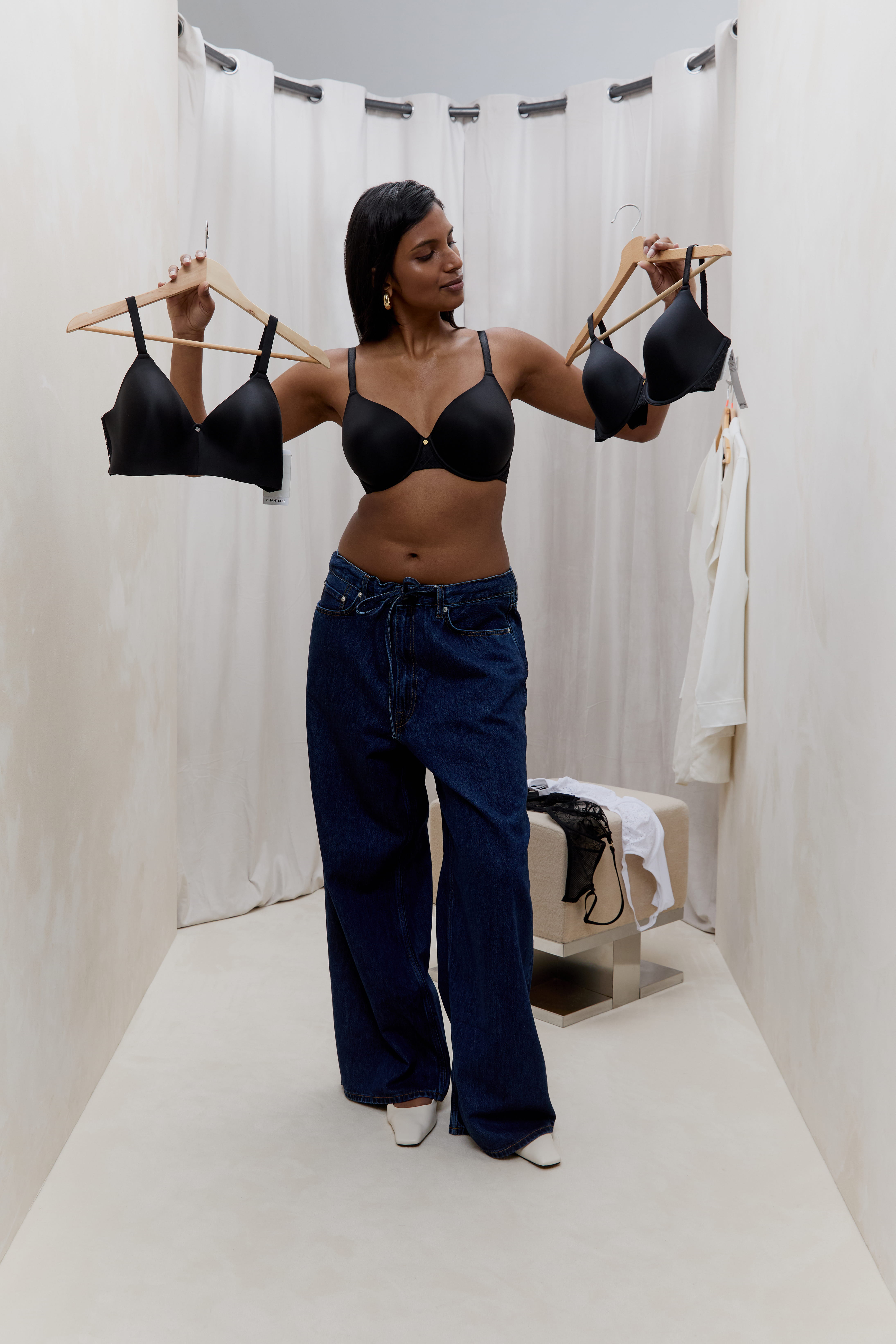
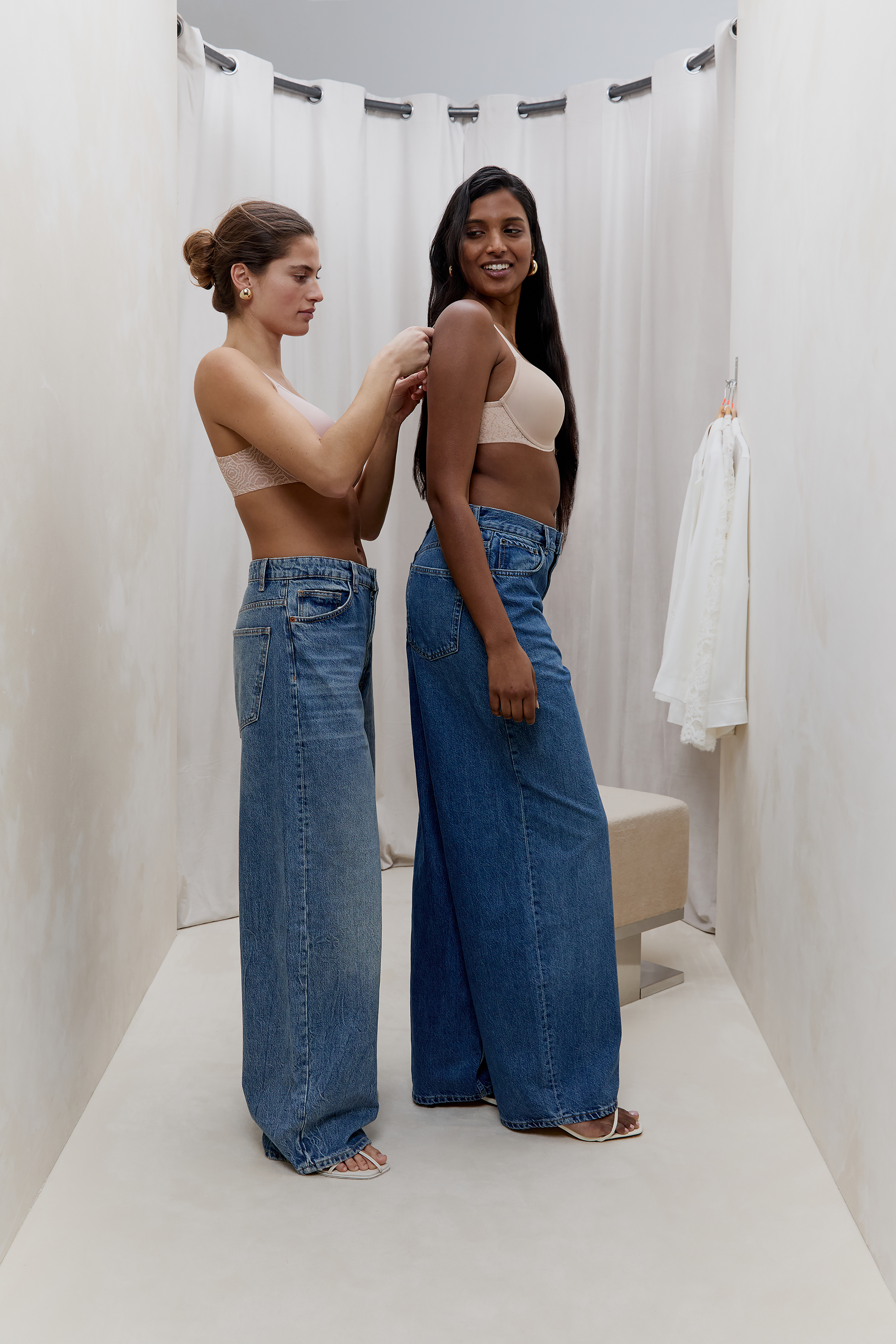
The 1960s shattered established balances, and the lingerie industry was no exception. As the girdle gradually became obsolete, Chantelle could have disappeared along with it. The opposite happened. Women entered the workforce en masse, gained financial independence, and claimed a new relationship with their bodies. Silhouettes were liberated, waists disappeared, and legs were revealed. Stockings, garter belts, and soon girdles vanished. But if women no longer wanted to be constrained, they still wanted to be supported.


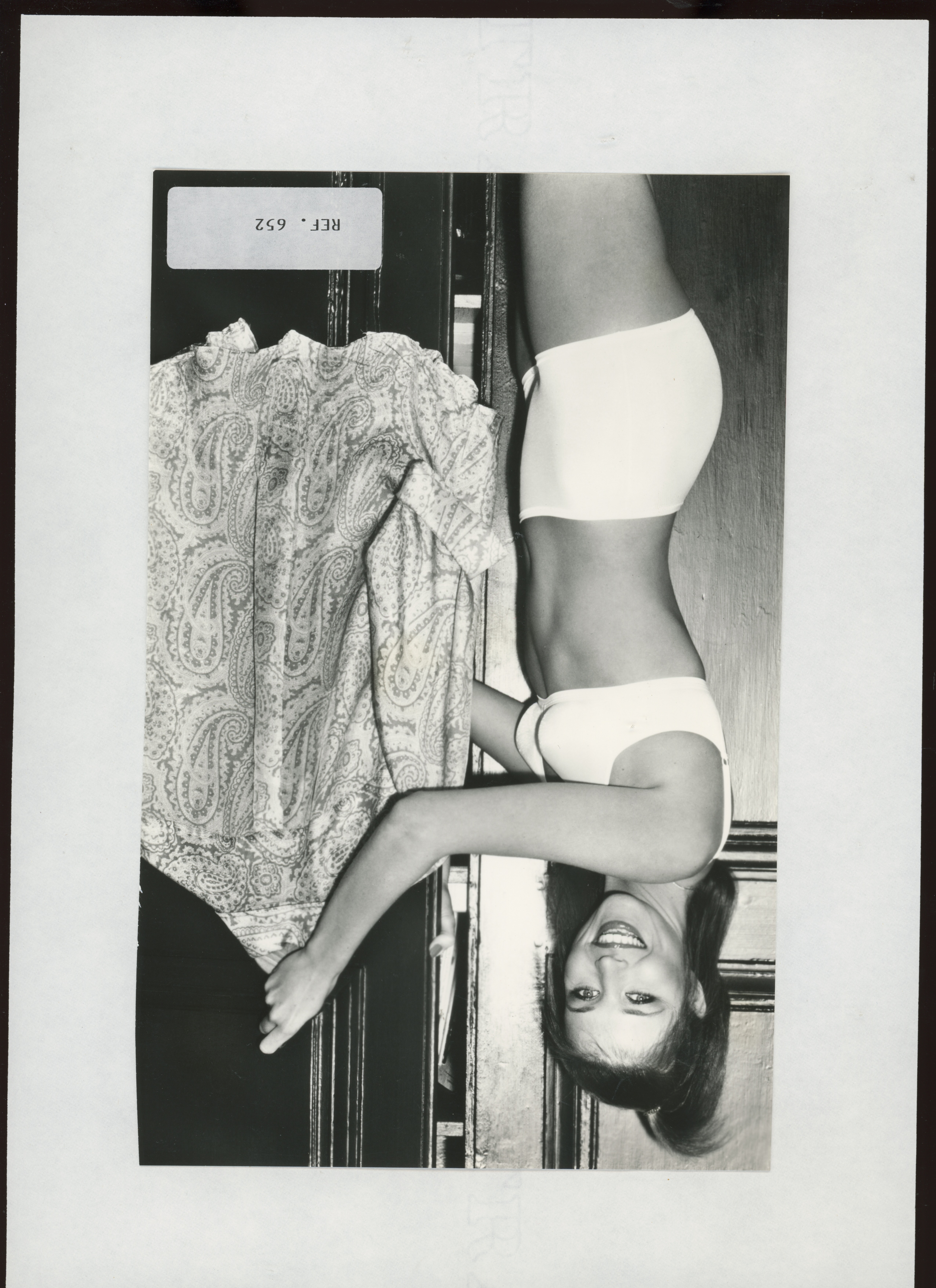
Attention shifted to the bra. Chantelle seized this turning point and, in 1961, inaugurated a new production site in Epernay, creating over 400 jobs mostly held by women. A state-of-the-art industrial facility, according to the press of the time, dedicated to a product destined to become the brand's core. The bra gradually took center stage in Chantelle's communication, becoming the main character from the 1970s onward.


A new vocabulary emerged, both technical and symbolic: supporting without weighing down, holding without constraining. In 1970 and 1971, two iconic models were born with evocative names: Fête and Défi. Two different responses to the same challenge. Fête ('celebration') introduced lightweight lace and elastane in the back, reconciling sophistication and comfort for the first time. Défi ('challenge'), with its seamless molded jersey cup, pushed the boundaries of lightness. To promote these bestsellers, Chantelle aired its first television commercials. The brand embraced a medium synonymous with modernity to show active women—working, dancing, moving, laughing—under a slogan: 


"Dance, they won't. Move, they won't".


Never is the female body subjected to the male gaze. Chantelle lingerie is designed for women, for their workdays and for their evenings, dancing to the first disco beats. Thirty years after the girdle that doesn't ride up, Chantelle was still offering the same answer: innovation in the service of movement.


Thirty years after the girdle that doesn't ride up, Chantelle was still offering the same answer: innovation in the service of movement.


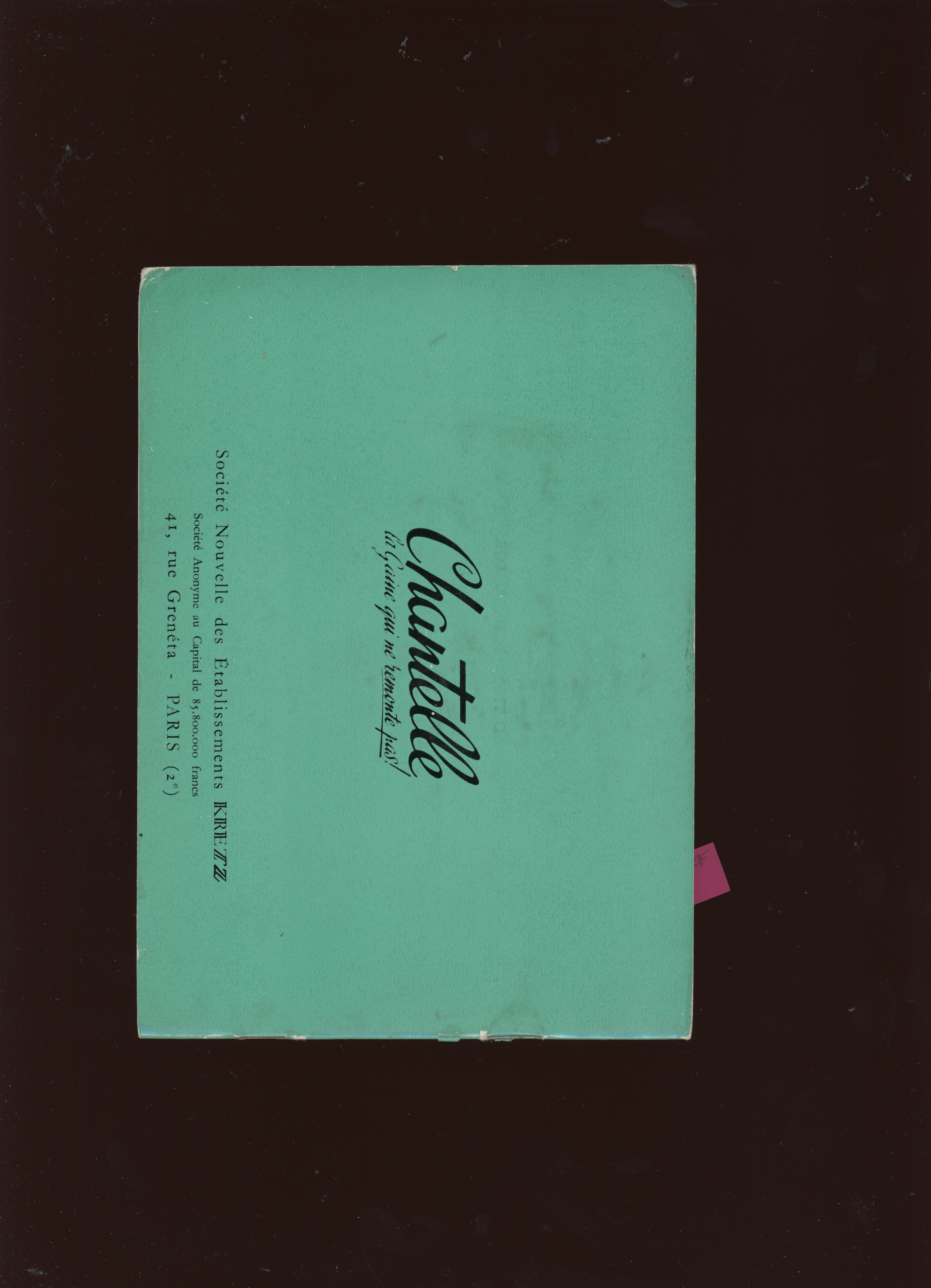
This logic of support extended beyond the end consumer. In the archives, I discovered catalogues intended for buyers, presenting new products while also offering to fund local press advertising for their boutiques. A commercial gesture, of course, but also a relationship of trust and support that Chantelle cultivated early on with a network of active women. The very women featured in its advertising.


Read Part 3 HERE

Salomé Dudemaine — fashion historian

Trained as a fashion historian at the Ecole du Louvre, Salomé Dudemaine explores the blind spots of fashion history, giving voice to those left in the shadows by the industry. A specialist in the early days of luxury ready-to-wear, she focuses on overlooked narratives and forgotten figures far from the myth of the great couturiers. She works with fashion houses as a consultant, placing history, archives, and brand culture at the service of contemporary thinking. In 2020, she co-founded Griffe Studio with Julien Sanders, an independent publishing house that explores the behind the scenes of fashion and its invisible players. A committed historian, she brings a critical and sensitive perspective to an industry in transformation, where craftsmanship, creation, and society intertwine to redefine contemporary fashion.