Embracing Diversity

Anthology

Words Salomé Dudemaine, translated from French

Updated March 17th, 2026

To mark 150 years of Chantelle, the company invited fashion historian Salomé Dudemaine to reflect on the house’s history and evolution. What follows is Part I of her essay, originally written in French and translated into English.

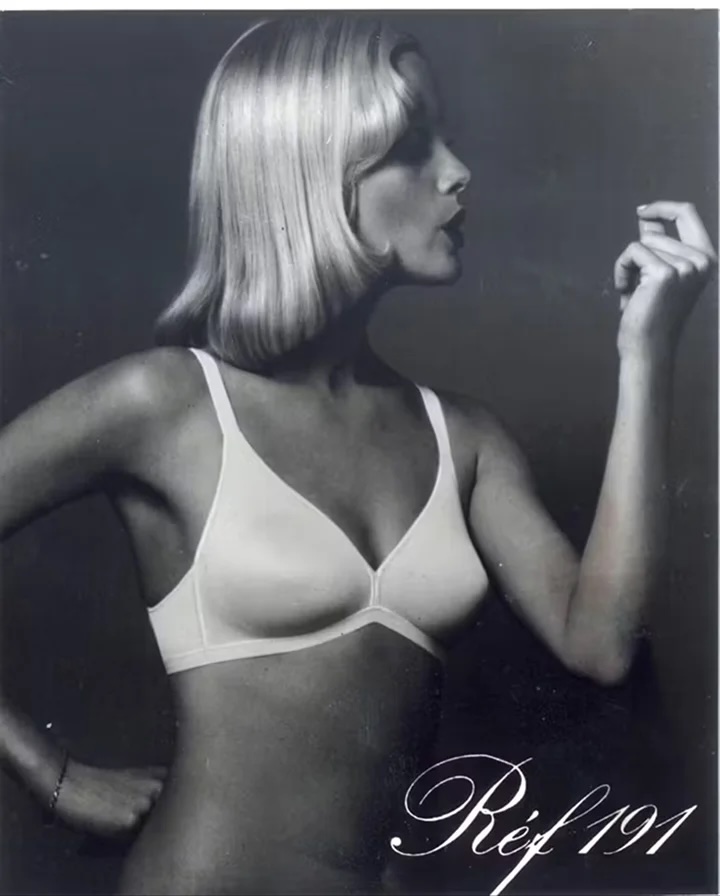
Defi-70s - Anthology Blog Post 3

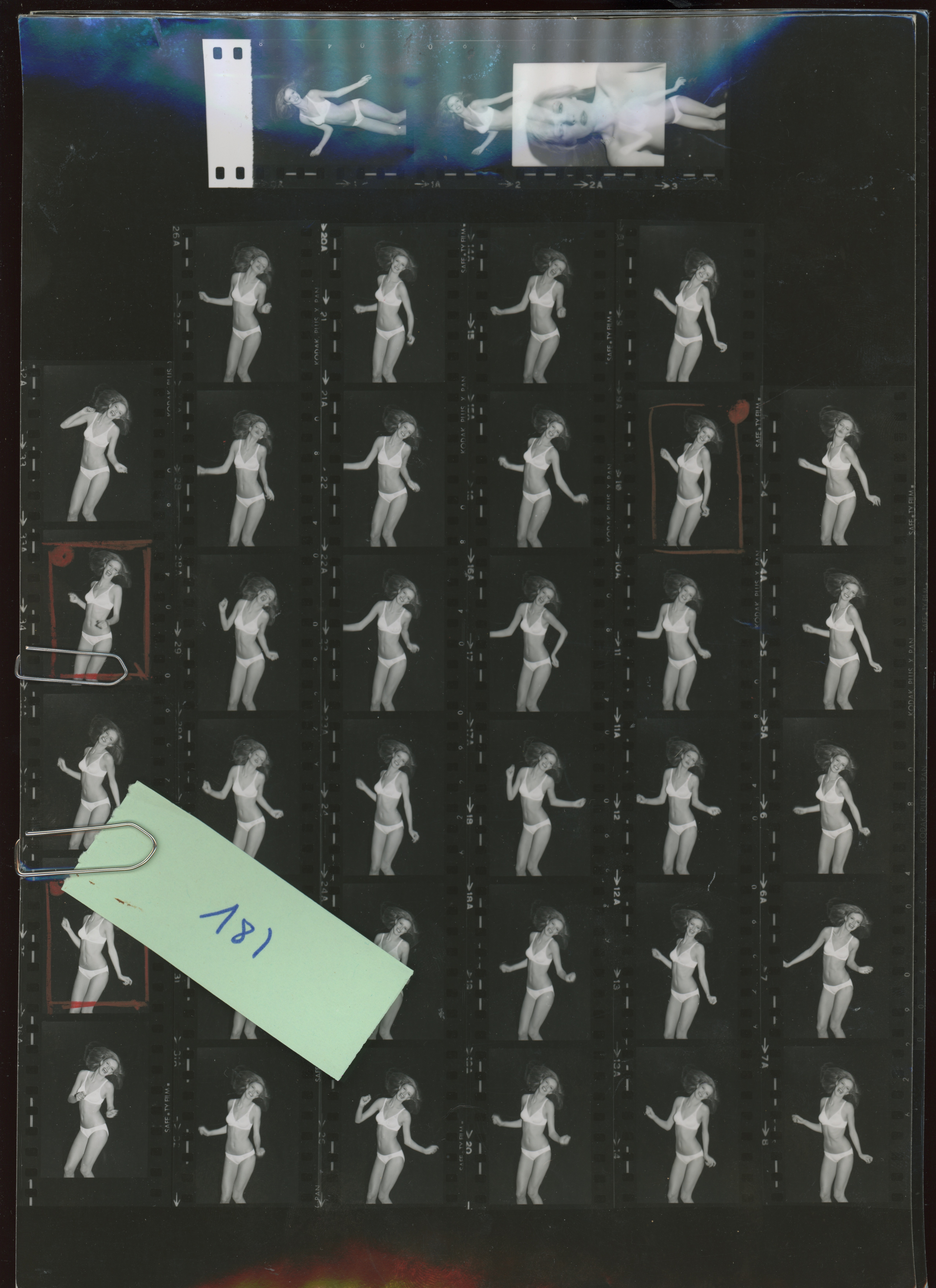
Image Proof - Anthology Blog Post 3

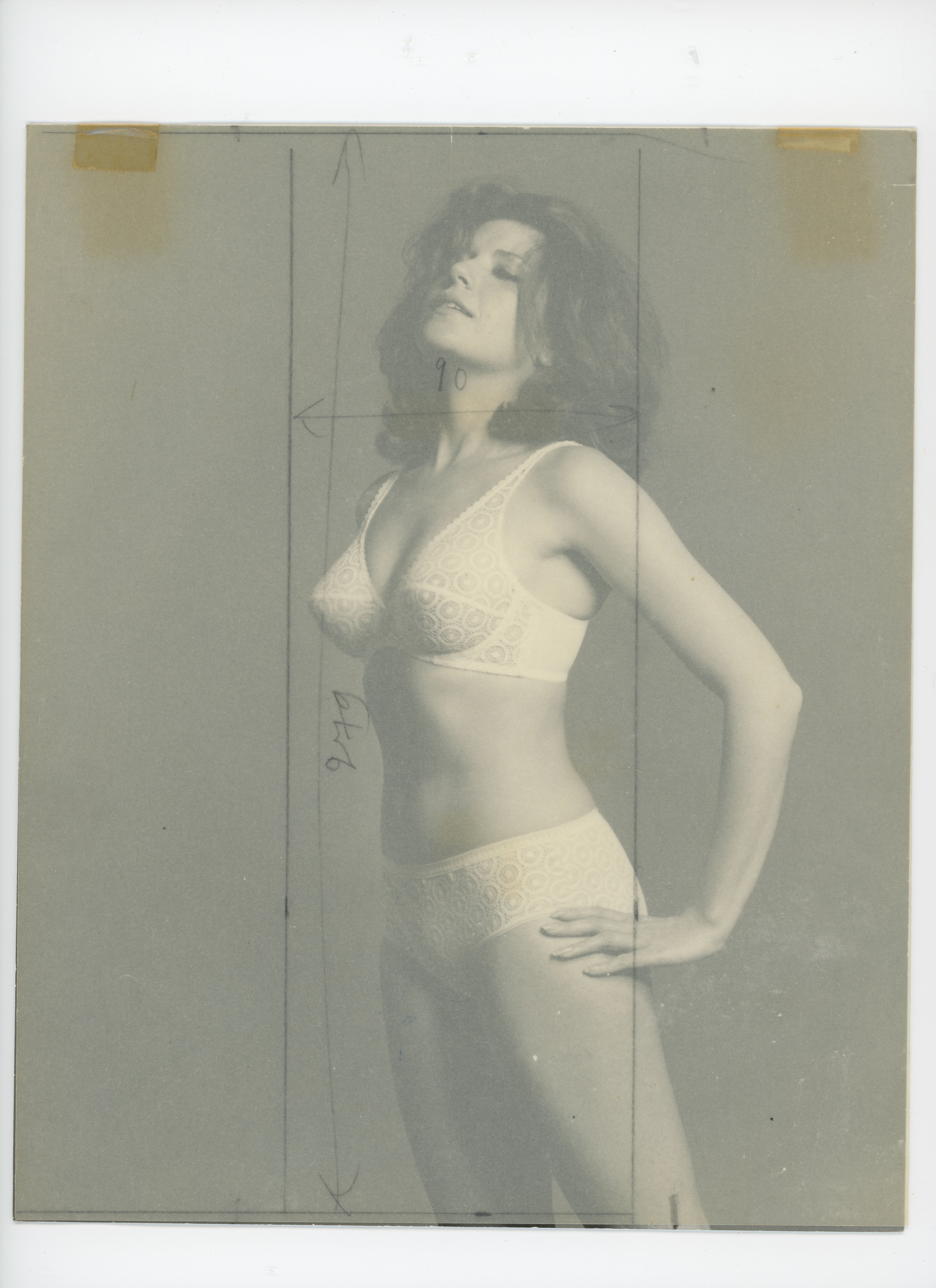
Model - Anthology Blog Post 3

The 1980s and 1990s were marked by the diversification of Chantelle's products and lines. Leafing through catalogues from that period, one after another, I felt almost dizzy at the abundance of cuts, materials, and embellishments. It was while watching the campaign for a new bestseller—Vertige, launched in 1986—that I understood: Chantelle's product diversity mirrors the diversity of women. In the campaign, a voice declares: "Chantelle loves breasts—all of them". I was first struck by the fact that the brand managed to show bare breasts on French television, without any erotic filter, in the mid-1980s. Then by the way the product—the bra—was relegated to the background, allowing breasts to take center stage: "Now loving your breasts is easier".


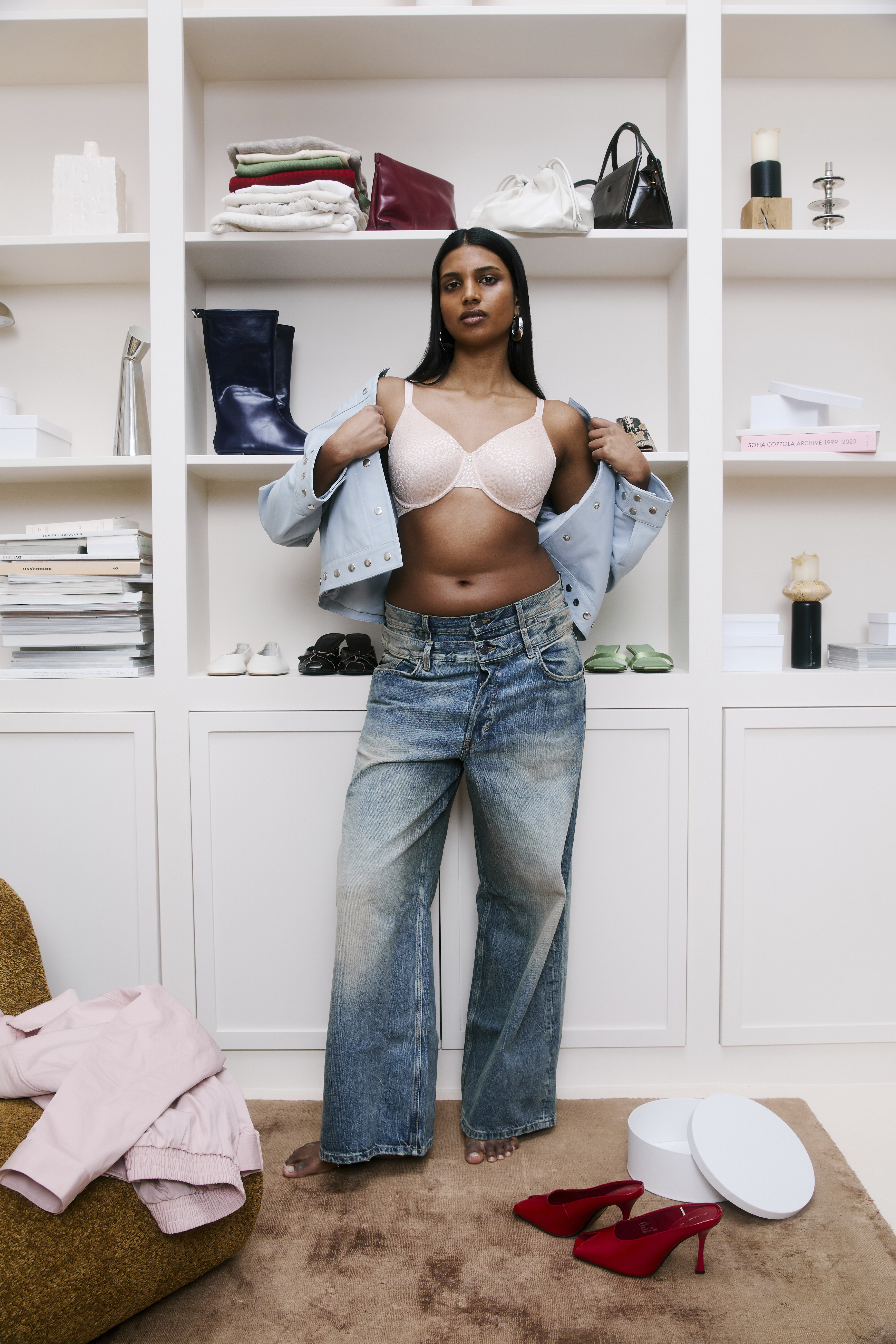
After decades of struggle, during which women's bodies had become a universal symbol of emancipation, women of the 1980s and 1990s began to reclaim their bodies in more personal, intimate ways. This long quest transformed the body into a space for self-expression and sometimes in a struggle with self-esteem. Chantelle diversified its offerings to respond to these intersecting movements. Loving breasts means accepting their diversity. Inclusivity—now a key word in fashion—was anticipated in the lingerie industry, which engages with bodily intimacy and proved pioneering in this regard.

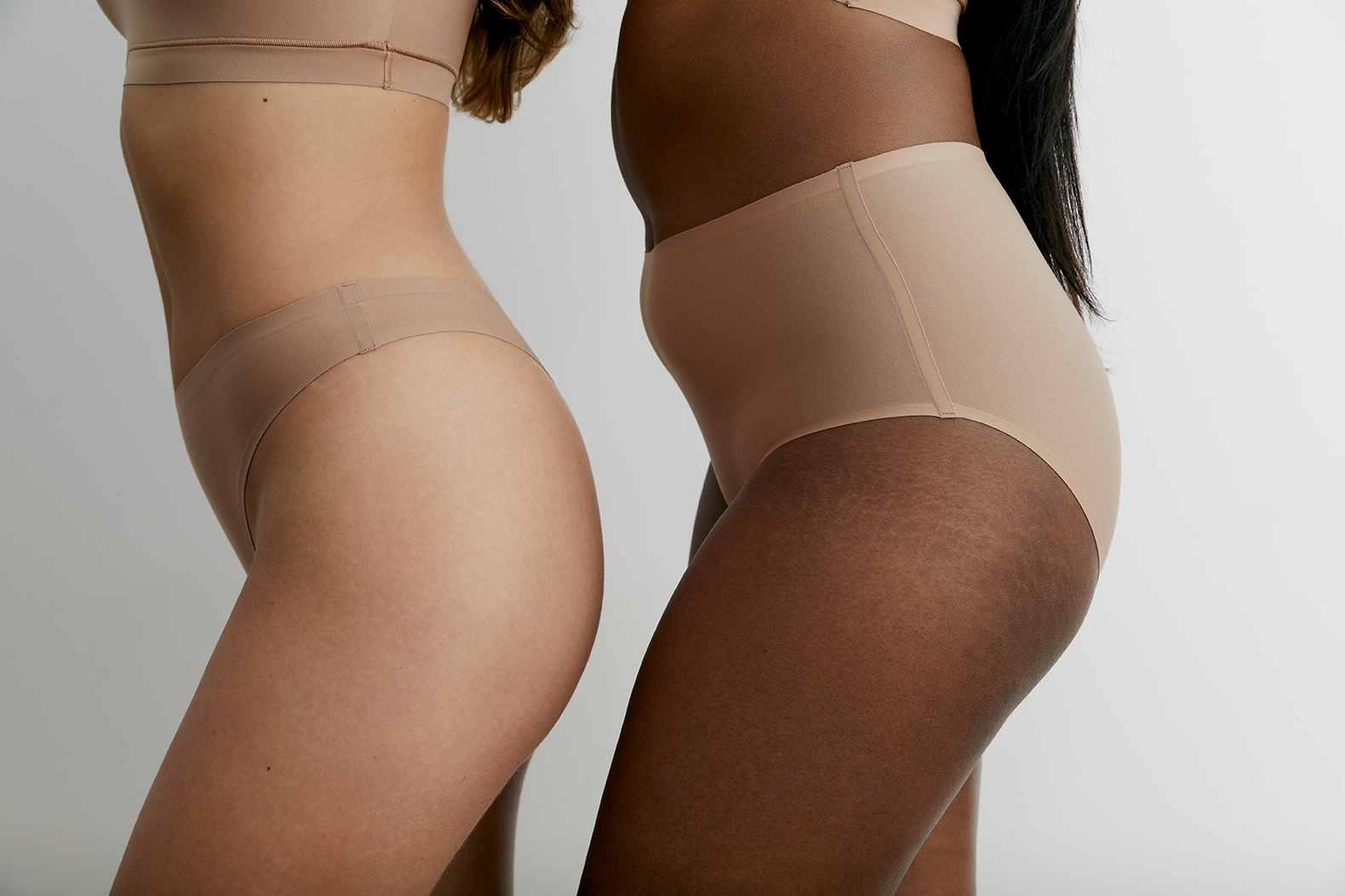
As early as the 1980s, Chantelle extended its size range up to 40D. Once again, technical innovation set Chantelle apart. In 1996, the brand launched an ultra-stretch microfiber jersey that instantly adapted to the shape it contained, completely invisible under clothing, like a second skin. An almost "magical" material, emphasizing that Chantelle undergarments were not meant to standardize bodies, but to adapt to them. A whole new chapter of contemporary lingerie was born.


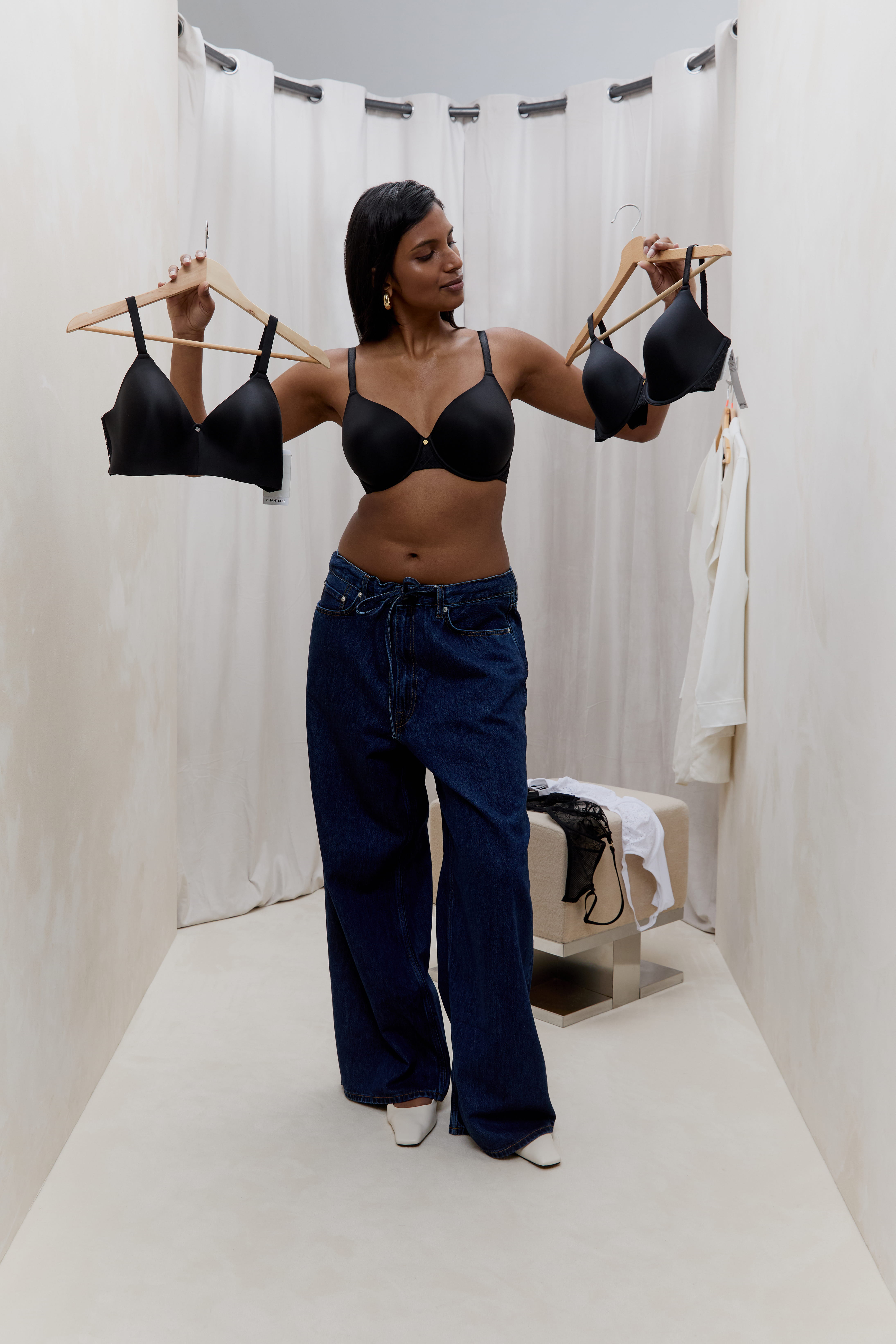
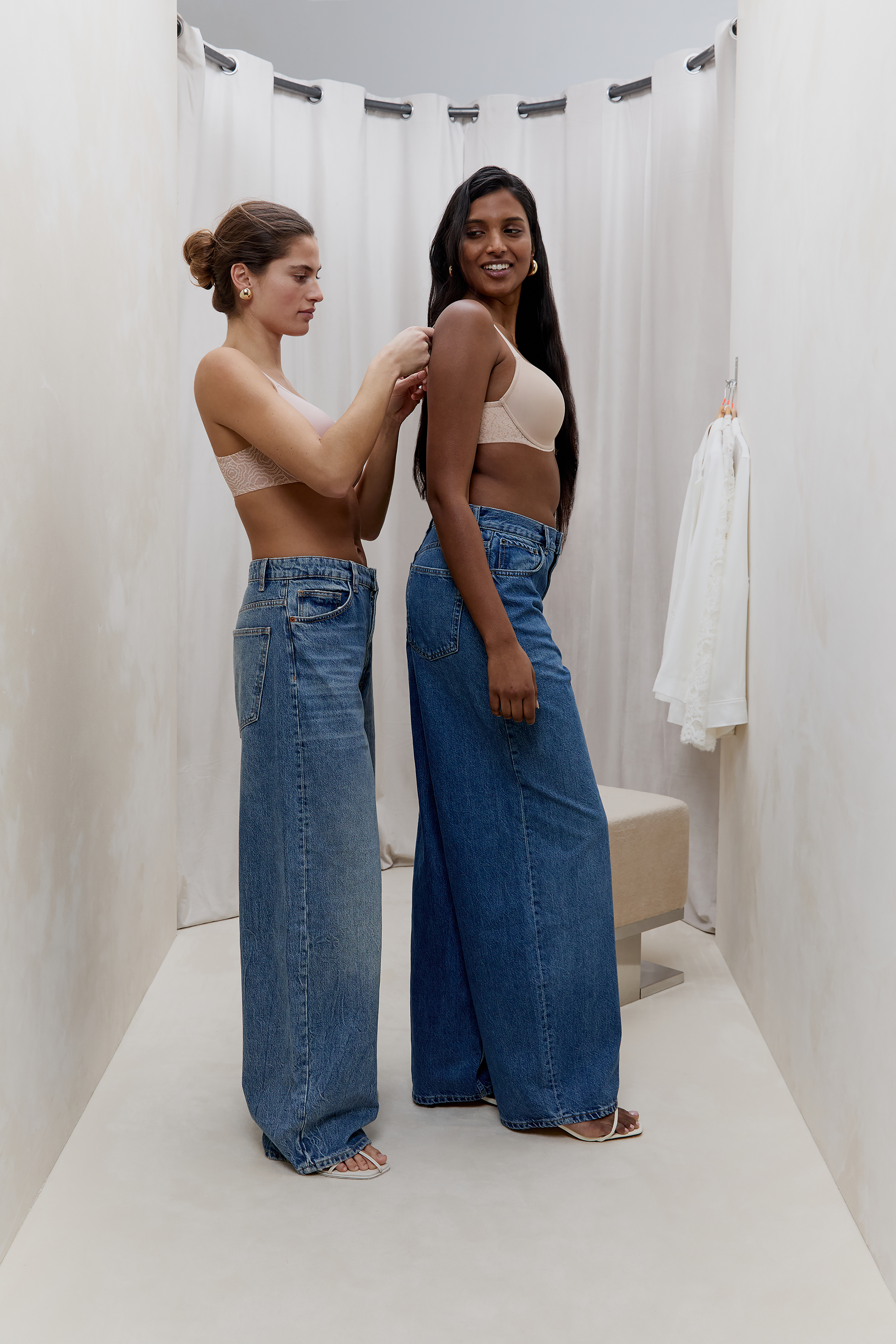
Alongside this quest for ultimate invisibility, a counter-movement emerged: the bra as a vehicle for individual expression. The 1990s marked the rise of individualism. Fashion became a way to express personality down to the smallest detail—a contrasting strap under a white top, a floral motif visible beneath sheer fabric, a rhinestone thong peeking out above low-rise jeans. In 1998, the slogan resonated: "It may be a detail, but it's a Chantelle". At the turn of the 2000s, Chantelle's promise was clear: every woman would be able to find a product that fits her and that she loves. Supporting women means embracing their diversity rather than dictating norms.


Read Part 4 HERE

Salomé Dudemaine — fashion historian

Trained as a fashion historian at the Ecole du Louvre, Salomé Dudemaine explores the blind spots of fashion history, giving voice to those left in the shadows by the industry. A specialist in the early days of luxury ready-to-wear, she focuses on overlooked narratives and forgotten figures far from the myth of the great couturiers. She works with fashion houses as a consultant, placing history, archives, and brand culture at the service of contemporary thinking. In 2020, she co-founded Griffe Studio with Julien Sanders, an independent publishing house that explores the behind the scenes of fashion and its invisible players. A committed historian, she brings a critical and sensitive perspective to an industry in transformation, where craftsmanship, creation, and society intertwine to redefine contemporary fashion.