Chantelle through the Eyes of a Fashion Historian

Anthology

Words Salomé Dudemaine, translated from French

Updated March 17th, 2026

To mark 150 years of Chantelle, the company invited fashion historian Salomé Dudemaine to reflect on the house’s history and evolution. What follows is Part I of her essay, originally written in French and translated into English.

Deails - Anthology Blog Post 1

Sign - Anthology Blog Post 1

Corset - Anthology Blog Post 1

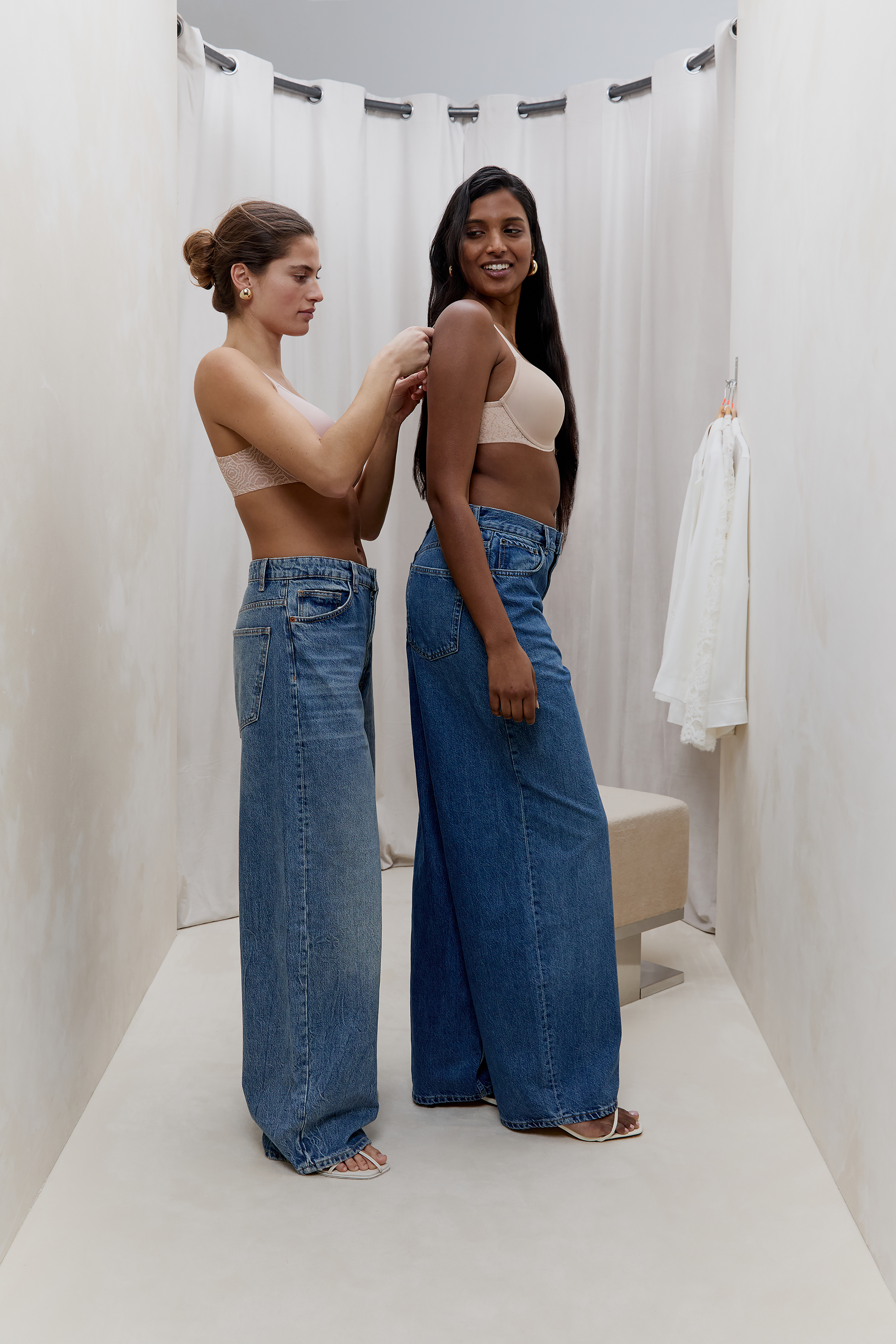
For 150 years, Chantelle has supported women's movements. Something More. 


Two simple words that, for the past year, have embodied Chantelle's campaigns like a manifesto. They are what first caught my attention when Creative Director Renaud Cambuzat contacted me to ask whether I would write a piece to accompany the celebration of the brand's 150th anniversary. Although I am a historian, my first instinct—before even opening the archives—was to take out my phone and scroll through Chantelle's Instagram. A brand I knew by reputation, but not by experience, as someone who doesn't even wear a bra on a daily basis. I needed to understand where these 150 years were leading before tracing them back to their origin. Between the diversity of female silhouettes—whose nudity is never objectified—one impression persists, like an invisible thread: there is something more.


You don't declare an extra something; you build it over time.


But what, exactly? You don't declare an extra something; you build it over time. And from experience, I can say that very few companies can boast such longevity. It was by immersing myself in Chantelle's archives—meticulously preserved across fifteen decades of activity—that I was able to trace its source. As I moved through documentation, factory photographs, advertising campaigns, and sales catalogues, a guiding principle emerged with striking clarity: for 150 years, Chantelle has supported women's movements through one key word—innovation.

Freeing the body

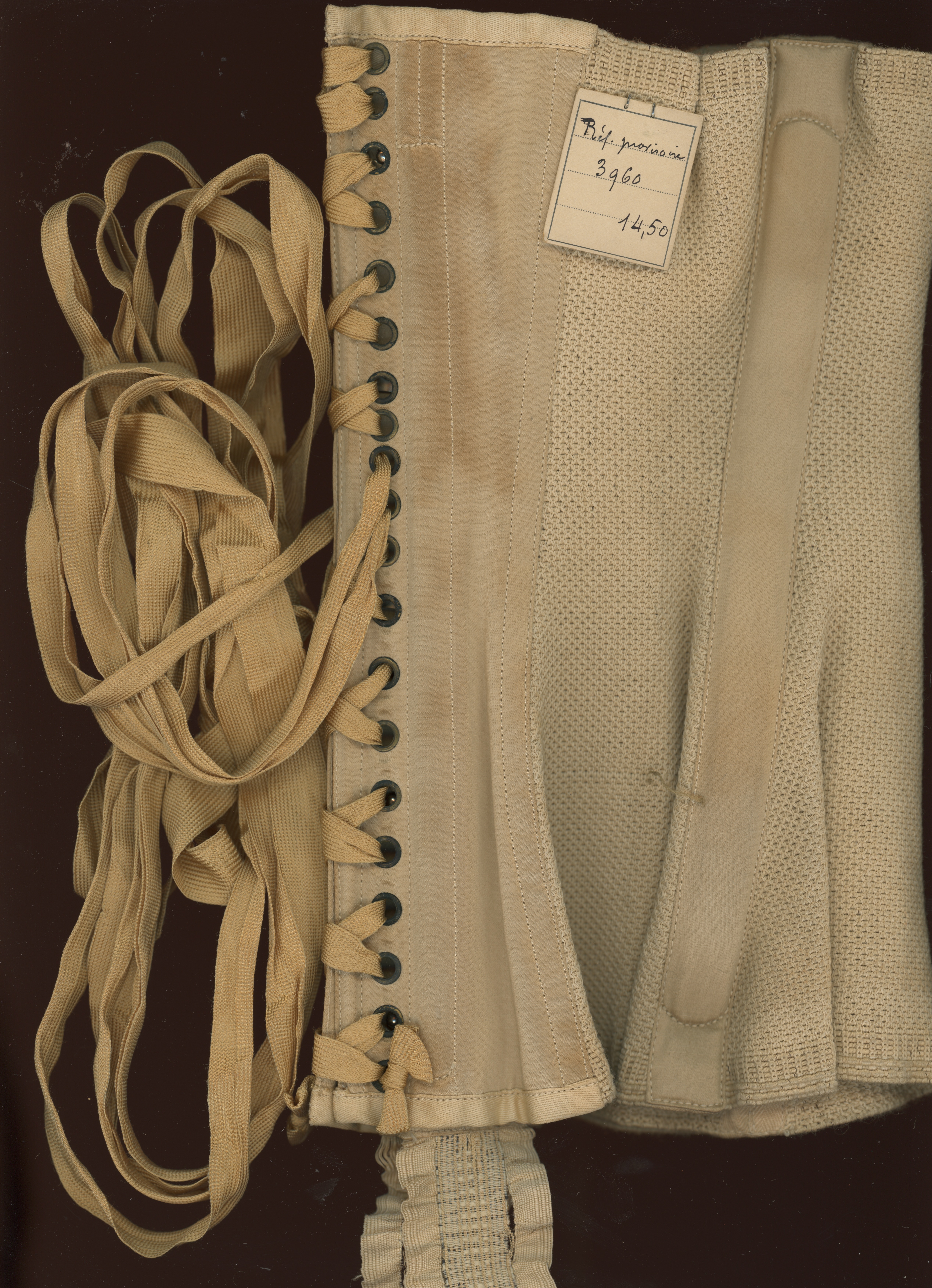
Chantelle's story does not begin with a high-end lace bra, nor in the hushed atelier of a corsetry artisan. It begins in a factory, with an invention that would profoundly transform women's relationship to their bodies and lay the foundations of modern lingerie: elasticity. At the end of the 19th century, the corset reached both its peak and its limits. It constrained, it compressed. Doctors raised concerns, and the first feminist movements seized on the question of women's clothing, pointing out its role in restricting movement and social emancipation.


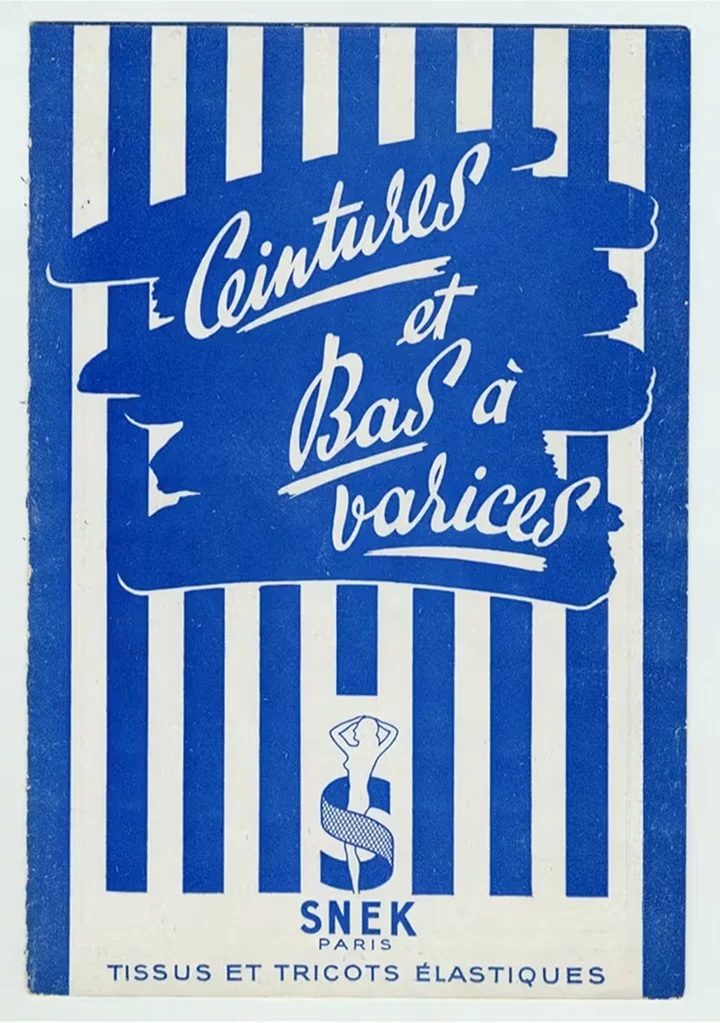
The corset became a target. The credit for freeing women from the corset is often attributed to early 20th-century couturiers. But that liberation would never have been possible without the technical advances developed upstream by industry. It was in this context that, in 1876, in the Kretz family factories in Romilly-sur-Seine, a two-way elastic knit was developed through the use of rubber. A foundational innovation. Where the corset constrained, elasticity liberated. Where it imposed form, elasticity followed movement.


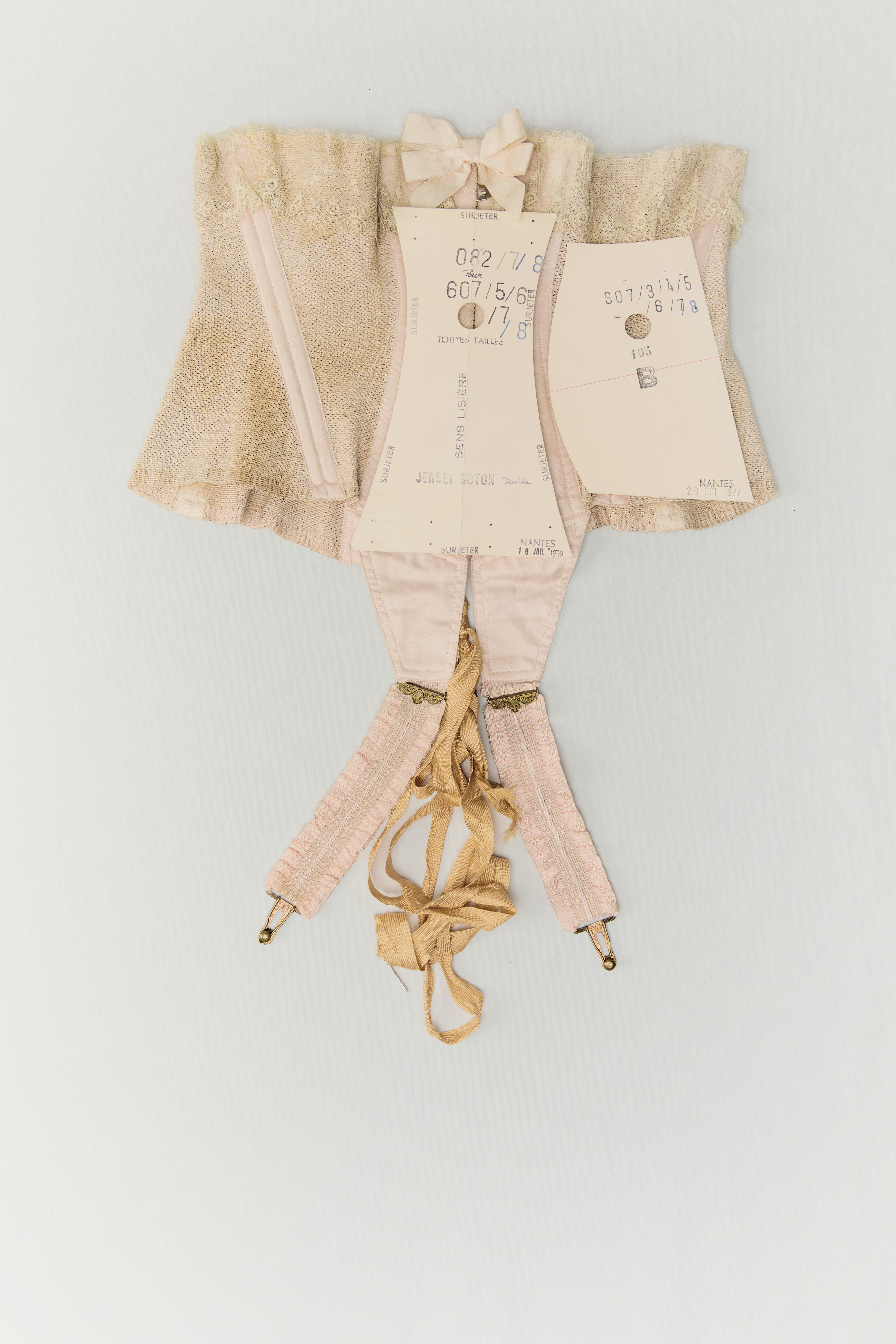
Chantelle's earliest creations—elastic corsets and waist cinchers—still shaped the body, certainly, but without restricting it. For a time sold as orthopaedic items in pharmacies, they paved the way for a new undergarment destined to replace the corset: the girdle. Adopted en masse by women across all social classes, it would drive Chantelle's first successes. Throughout the first half of the 20th century, the girdle became the focus of research conducted in the Kretz family factories, leading to the development of a key material: elastic tulle. In 1948, when the Chantelle brand was officially created, it asserted itself with a slogan: "Chantelle, the girdle that doesn't ride up". A slogan omnipresent in the archives, from labels to packaging, and across advertising campaigns plastered in metro stations and on buses for over twenty years.


My 21st-century reflex is to smile at this somewhat outdated message. Then I put my historian's hat back on: for a slogan to endure for decades, it must have addressed a fundamental need. Perhaps the famous girdle that doesn't ride up holds the key to Chantelle's something more. I imagine women in the 1950s, having contributed to the war effort, now managing baby-boomer households while Christian Dior reintroduced tightly cinched waists with the New Look. In that context, not having to constantly pull one's girdle back into place must have freed women's minds from a small but persistent mental burden in already full days.


Chantelle's girdle didn't eliminate support—it made it bearable, almost forgettable. In the archives, I notice zip fastenings to make dressing easier, side lacing to accommodate pregnant bodies, and seamless knitting techniques at the hips for a perfectly fitted girdle. So many details designed to ensure the garment fulfilled its function without constantly reminding the wearer of its presence. As early as the 1950s, Chantelle thus established one of the founding principles of contemporary lingerie: a good undergarment is also one that is forgotten.


Read Part 2 HERE

Salomé Dudemaine — fashion historian

Trained as a fashion historian at the Ecole du Louvre, Salomé Dudemaine explores the blind spots of fashion history, giving voice to those left in the shadows by the industry. A specialist in the early days of luxury ready-to-wear, she focuses on overlooked narratives and forgotten figures far from the myth of the great couturiers. She works with fashion houses as a consultant, placing history, archives, and brand culture at the service of contemporary thinking. In 2020, she co-founded Griffe Studio with Julien Sanders, an independent publishing house that explores the behind the scenes of fashion and its invisible players. A committed historian, she brings a critical and sensitive perspective to an industry in transformation, where craftsmanship, creation, and society intertwine to redefine contemporary fashion.